
Best AI Photo Headshot Generator: How to Get a Natural, Professional Headshot
See how the best AI photo headshot generator helps look polished on LinkedIn. Compare natural results, background choices, and free tools.
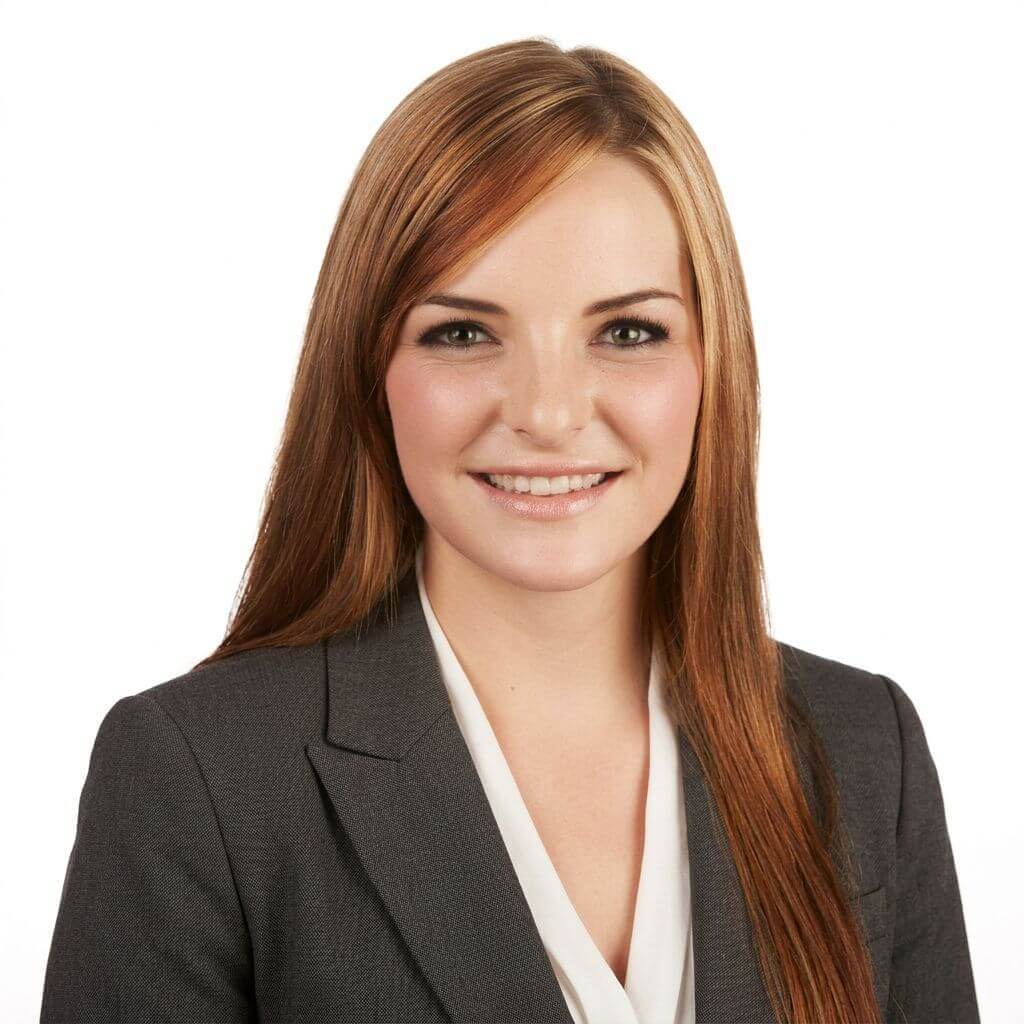
When you're job hunting or building a personal brand online, a good profile photo can make the difference between a click and a skip. You know you need a professional headshot, but booking a studio isn't practical for everyone. That's why so many people look for the best AI photo headshot generator: they already have a phone full of selfies, and they just want one that looks refined enough for LinkedIn, a resume, or a company bio. The challenge is separating tools that preserve your identity from those that turn you into a generic avatar. This guide explains the key factors to consider, how to test a generator with your own photos, and where free photo editing tools can help you finish the job without extra software.
Direct answer
The short answer
See how the best AI photo headshot generator helps look polished on LinkedIn. Compare natural results, background choices, and free tools.
- Topic
- AI headshot generation
- Best for
- Professionals who need a new LinkedIn or resume photo
- Search intent
- Find a reliable AI headshot generator that creates natural-looking professional headshots
- Format
- Practical guide with examples
Article quick reference
| Topic | What to know |
|---|---|
| Why a professional headshot is still worth the effort | When you meet someone online, your photo often appears before your words do. On LinkedIn, a blurry group picnic photo or a cropped wedding snap can quietly undercut your credibility. |
| What to look for in the best AI photo headshot generator | Not every tool deserves the title 'best.' Many apps produce an airbrushed result that looks like someone ran a beauty filter across your face. |
| Compare with your own photo, not just fancy samples | Marketing pages always show attractive models with studio lighting, so it's hard to predict how a tool will treat a selfie taken near a window at 11am. |
| Pick the right style: LinkedIn, resume, or ID photo | A professional headshot has different versions based on where it appears. LinkedIn photos look friendly and approachable, with a soft background and relaxed posture. |
Use the detailed sections below for context, examples, and exceptions that may affect your situation.
Frequently asked questions
What is this guide about?
See how the best AI photo headshot generator helps look polished on LinkedIn. Compare natural results, background choices, and free tools.
What should I know about why a professional headshot is still worth the effort?
When you meet someone online, your photo often appears before your words do. On LinkedIn, a blurry group picnic photo or a cropped wedding snap can quietly undercut your credibility.
What should I know about what to look for in the best ai photo headshot generator?
Not every tool deserves the title 'best.' Many apps produce an airbrushed result that looks like someone ran a beauty filter across your face.
What should I check before using this advice?
Requirements can vary by platform, employer, country, or use case. Review the specific instructions that apply to your final submission.
Who this guide is for
- Reader
- Professionals who need a new LinkedIn or resume photo
- Search intent
- Find a reliable AI headshot generator that creates natural-looking professional headshots
Practical evaluation guide focused on facial resemblance and free editing tools
Why a professional headshot is still worth the effort
When you meet someone online, your photo often appears before your words do. On LinkedIn, a blurry group picnic photo or a cropped wedding snap can quietly undercut your credibility. A dedicated headshot signals that you take this interaction seriously, whether you're applying for a role, pitching to a client, or updating your company's website. You might argue that you can just take a new selfie on a sunny day. That can work if you have a good camera and a neutral background, but most of us don't have that setup at hand. AI headshot generators close the gap: they use your own face as a starting point, then standardise the lighting, framing, and background. The best AI photo headshot generator won't invent a new identity; it will simply deliver the professional version of the one you already have.
What to look for in the best AI photo headshot generator
Not every tool deserves the title 'best.' Many apps produce an airbrushed result that looks like someone ran a beauty filter across your face. You still want to recognise yourself after the AI is done. Look for generators that preserve your natural skin texture, eye shape, and expression lines. Lighting should look like a calm hiring session, not a flash from a studio ceiling. Background options matter too: a plain neutral colour is safer than a blurred fictional office that appears in every other profile. Also check whether the output resolution is high enough for both screen and print. The best AI photo headshot generator should let you see full-resolution previews before you commit. If a platform only shows filtered thumbnails, it's harder to judge whether the final file will look professional on your actual profile.
Compare with your own photo, not just fancy samples
Marketing pages always show attractive models with studio lighting, so it's hard to predict how a tool will treat a selfie taken near a window at 11am. The smartest move is to test the generator with one of your own photos early in the decision. Upload a front-facing selfie with clear light, then look at the generated headshots on a large screen. Does the jawline stay yours? Does the smile feel natural? Some AI headshot tools change ethnic details or age by a few years, which can be unsettling when a recruiter eventually meets you. If you notice that the AI consistently sharpens or reshapes your face, try a different prompt or adjust the source photo. The best AI photo headshot generator for you is the one that makes you look like yourself on your best day, not like a stock model.
Pick the right style: LinkedIn, resume, or ID photo
A professional headshot has different versions based on where it appears. LinkedIn photos look friendly and approachable, with a soft background and relaxed posture. A resume photo, where used, may need to be more formal, with a photographer-style background and straightforward framing. Then there's the ID-style photo: for passport, visa, or professional certification, you usually need a plain white or light grey background, both ears visible, and a neutral expression. That's a completely different set of requirements. This is where a good AI headshot platform can save time. Generate your central headshot with Magic-Headshot, then use the free ID photo tools to change the background to a compliant colour, remove shadows, and print at the exact size your application requires. You don't need to own expensive software to produce a file that passes strict ID checks.
Take better selfies for AI headshot processing
The output quality of any AI headshot generator depends on your input. Start by pressing your camera to a higher resolution, if your phone allows it. Stand facing a window, so the light falls evenly on your face, rather than a lamp from below. Keep your chin level and your shoulders relaxed. Skip hats, heavy scarves, and sunglasses unless they're part of a genuinely uniform policy. Try two or three different angles, but look straight at the lens in at least one of them. Most generators work best with front-facing shots that clearly show both eyes and your hairline. If you wear glasses, decide whether to keep them for the headshot or switch to contact lenses for the session. Keep the background simple and avoid busy textures, as that helps the AI separate you from the backdrop.
Fix details afterwards: crop, resize, remove background
Once you have a headshot you like, the work is not quite done. Different platforms and applications expect different dimensions. LinkedIn, for example, looks best with a square crop that keeps your head centered and leaves a little breathing room above your shoulders. Your company directory might want a smaller circular avatar. For those moments, you need a simple way to crop without cutting off the top of your head. Magic-Headshot includes free photo tools that let you resize, change background color, remove the background entirely, or set up a print layout with multiple copies of the same ID photo. That means you can take one polished headshot and turn it into a LinkedIn avatar, a resume photo, and a passport-style print, all in the same session. It's the practical back end of a really good AI headshot tool.
Quality checks
Facial similarity
Confirm that your eyes, nose, and mouth look exactly like yours in the output.
Skin texture
Skip results that look waxed or plastic; your skin should feel real and natural.
Resolution
Ensure the exported file is sharp on both desktop and mobile screens, and large enough for print if needed.
Avoid
- Don't use a heavily filtered social selfie as your source photo.
- Avoid tools that generate a face entirely different from yours.
- Don't settle for a low-resolution preview before you pay or commit.
- Avoid using the same square crop for every platform without checking margins.
Use This Guide to Finish Your Photo
Choose the next step based on what this article covers: edit the photo with a focused tool, generate a professional headshot, compare samples, or check pricing.
Edit this photo with a tool
Open change photo background color when this guide points to a crop, background, file size, PNG, or print-layout task.
Generate a professional headshot
Use this page when the guide points toward a stronger LinkedIn profile photo.
Compare before-and-after samples
Review before-and-after examples before choosing a profile photo direction.
Check credit pricing
Compare one-time credit packs when the guide leads to final AI headshot generation.