
How to Get the Best Portraits with AI Headshots
Get the best portraits for your career with AI headshots. Discover lighting, expression, and background tips for a polished LinkedIn photo.
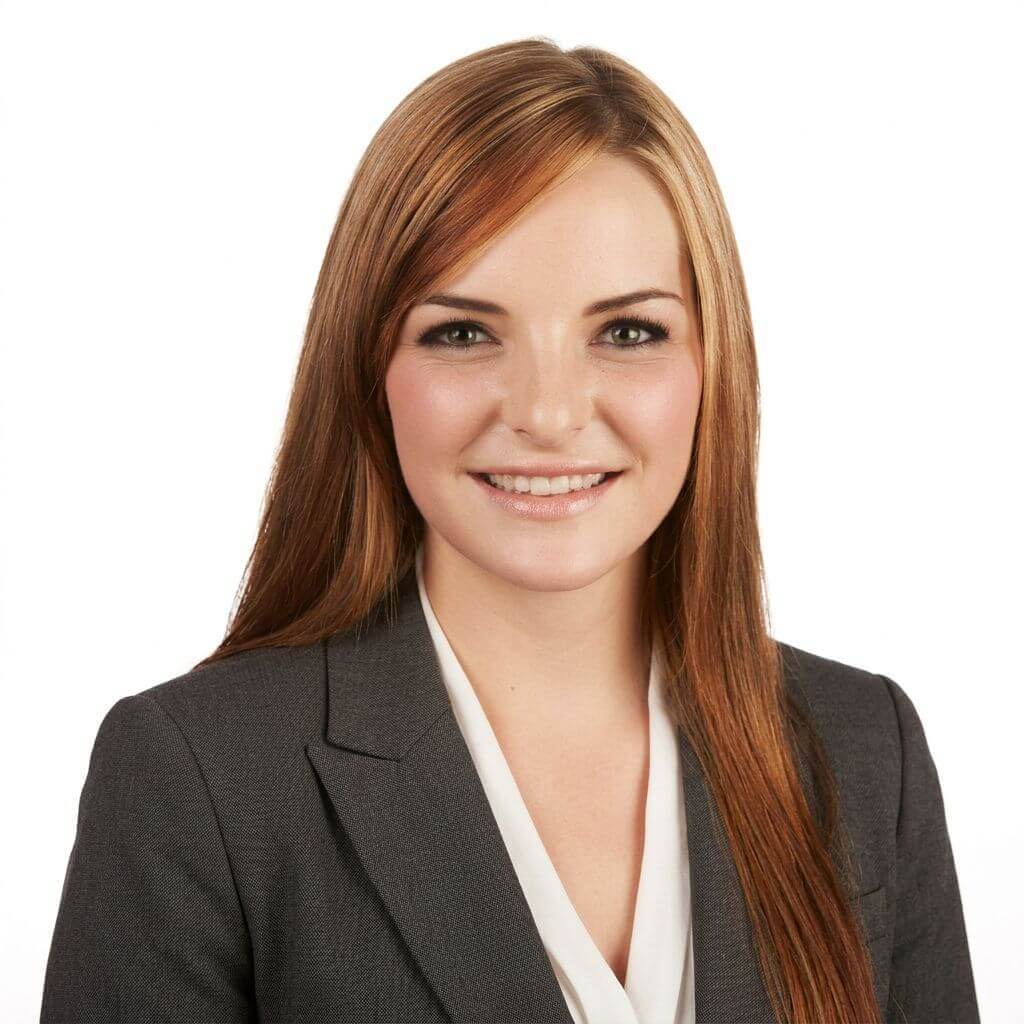
Imagine you need a new headshot for your LinkedIn profile—your last one is four years old and looks like it was taken in a parking garage. You could book a photographer, but that takes time and money. The best portraits, though, don't require a studio. They rely on a few timeless principles: soft lighting, a genuine smile, and a clean frame. With Magic-Headshot, you can turn a quick selfie into a polished, professional portrait that feels like you. In this guide, we'll walk through what makes a portrait truly effective, and how to get the best portraits for your career using AI headshot tools.
Direct answer
The short answer
Get the best portraits for your career with AI headshots. Discover lighting, expression, and background tips for a polished LinkedIn photo.
- Topic
- portrait-photography-tips
- Best for
- professionals preparing for job applications or updating their online presence
- Search intent
- find practical advice for getting the best portraits using AI headshot tools
- Format
- Practical guide with examples
Article quick reference
| Topic | What to know |
|---|---|
| What Makes a Portrait the Best It Can Be? | A great portrait isn't just a clear image of your face. It's a visual handshake that communicates competence and warmth. |
| Lighting: The Secret to a Flattering Portrait | Lighting can make or break a portrait. In general, soft, diffused light is the most flattering. |
| Expression and Body Language: Show Up as Yourself | The best portraits don't look like mugshots. They have a relaxed, approachable expression. |
| Wardrobe and Background: Keep It Simple | Your clothing and background should support your face, not compete with it. Solid colors—blues, greys, earth tones—tend to photograph well. |
Use the detailed sections below for context, examples, and exceptions that may affect your situation.
Frequently asked questions
What is this guide about?
Get the best portraits for your career with AI headshots. Discover lighting, expression, and background tips for a polished LinkedIn photo.
What should I know about what makes a portrait the best it can be??
A great portrait isn't just a clear image of your face. It's a visual handshake that communicates competence and warmth.
What should I know about lighting: the secret to a flattering portrait?
Lighting can make or break a portrait. In general, soft, diffused light is the most flattering.
What should I check before using this advice?
Requirements can vary by platform, employer, country, or use case. Review the specific instructions that apply to your final submission.
Who this guide is for
- Reader
- professionals preparing for job applications or updating their online presence
- Search intent
- find practical advice for getting the best portraits using AI headshot tools
combines classic portrait photography principles with the convenience of AI generation from selfies
What Makes a Portrait the Best It Can Be?
A great portrait isn't just a clear image of your face. It's a visual handshake that communicates competence and warmth. The best portraits have three things in common: sharp focus on the eyes, even lighting that avoids harsh shadows, and a simple background that puts the focus on you. They also capture a natural expression—something between a smile and a neutral relaxed look. When you browse your own photos, look for images that meet these criteria. You don't need a professional camera; even a modern phone can produce a suitable base image for AI enhancement. Keep those standards in mind as you choose photos to upload.
Lighting: The Secret to a Flattering Portrait
Lighting can make or break a portrait. In general, soft, diffused light is the most flattering. Direct sunlight creates harsh shadows, especially under your eyes and chin. A north-facing window or an overcast day is ideal for a selfie. When you're taking the photo for your AI headshot, try to face the light source rather than having it behind you. This prevents your face from being underexposed. You want even brightness across your cheeks and forehead. If you're stuck in a room with overhead lights, switch off the ones directly above you and rely on a lamp placed in front of you. Small adjustments like these can dramatically improve your selfie and help Magic-Headshot generate a better portrait.
Expression and Body Language: Show Up as Yourself
The best portraits don't look like mugshots. They have a relaxed, approachable expression. To get that, think of something genuinely pleasant just before you press the shutter. A slight, natural smile—not a forced grin—works for most industries. Your eyes should be alert; look directly into the camera lens. Regarding body language, sit up straight and roll your shoulders back. This instantly conveys confidence. Avoid crossing your arms or tilting your head too far, as both can read as unsure. If you're using AI headshots from Magic-Headshot, the tool will preserve your expression from the source photo, so choosing a selfie with a positive expression is essential. Don't upload a blank, tired face and expect a miracle.
Wardrobe and Background: Keep It Simple
Your clothing and background should support your face, not compete with it. Solid colors—blues, greys, earth tones—tend to photograph well. Avoid bright, busy patterns like stripes or logos. For backgrounds, plain walls or softly blurred spaces work best. If your selfie has a messy background, Magic-Headshot's background removal tool can replace it with a clean color or an office-like scene. You can also use the free ID photo tool (/free-id-photo-tool) for passport-style images with standardized backgrounds. When you're evaluating the final portrait, ask yourself if the background draws attention away from your eyes. If it does, try a different color or ask the editor to blur it more.
From Selfie to Professional Headshot with Magic-Headshot
You don't need a photo studio to get the best portraits for your online profiles. Magic-Headshot lets you upload a few selfies, and its AI generates a set of professional headshots in different styles and outfits. To get the most realistic results, upload two or three well-lit selfies with neutral backgrounds and natural expressions. The system learns your features and produces images that look like you on a good day. Once you receive your portraits, choose the one that feels most authentic. Then use the editing tools to adjust the background color or crop the image for different platforms—LinkedIn, resume, email signature. This workflow saves time and keeps your personal brand consistent. If you're curious about the output quality, check the sample gallery (/sample), and see the pricing plans (/pricing) to get started.
Fine-Tuning Your AI Portraits: The Final Ten Percent
Even a great AI headshot benefits from a quick review. Zoom in to check the eyes are sharp and the skin tones look natural. If something feels off, use the built-in resize and crop tools to reframe the image for the right aspect ratio. LinkedIn uses a square-ish thumbnail, while a resume photo is often a bit taller. You can also use the free background removal tool at /free-id-photo-tool to create a clean cutout for different uses. When you're satisfied, download the highest resolution available. Share the final portrait with a friend or mentor for feedback. Often a second pair of eyes catches a distracting detail you missed. The goal is a portrait that feels both professional and genuinely you. If you have questions about resolution or file types, the questions page (/questions) covers the basics.
Quality checks
Facial likeness
Make sure the AI avatar closely resembles your face shape, skin tone, and hair.
Eye focus
Zoom in to confirm both eyes are sharp and look natural.
Appropriate attire
The generated outfit should match your industry — business casual or formal.
Avoid
- Avoid selfies taken in dark or dimly lit rooms.
- Don't use mirror selfies or those with wild camera angles.
- Avoid uploading photos with other people or distracting objects.
- Don't pick a portrait with an over-smile or closed eyes.
- Avoid over-edited filters that change your bone structure.
Use This Guide to Finish Your Photo
Choose the next step based on what this article covers: edit the photo with a focused tool, generate a professional headshot, compare samples, or check pricing.
Edit this photo with a tool
Open remove background from a photo when this guide points to a crop, background, file size, PNG, or print-layout task.
Generate a professional headshot
Use this page when the guide points toward a stronger LinkedIn profile photo.
Compare before-and-after samples
Review before-and-after examples before choosing a profile photo direction.
Check credit pricing
Compare one-time credit packs when the guide leads to final AI headshot generation.