
How to Create a Realistic Portrait of a Person for Work Profiles
Learn how to create a realistic portrait for your professional profiles. Use your own selfies to generate a polished headshot with Magic-Headshot's AI.
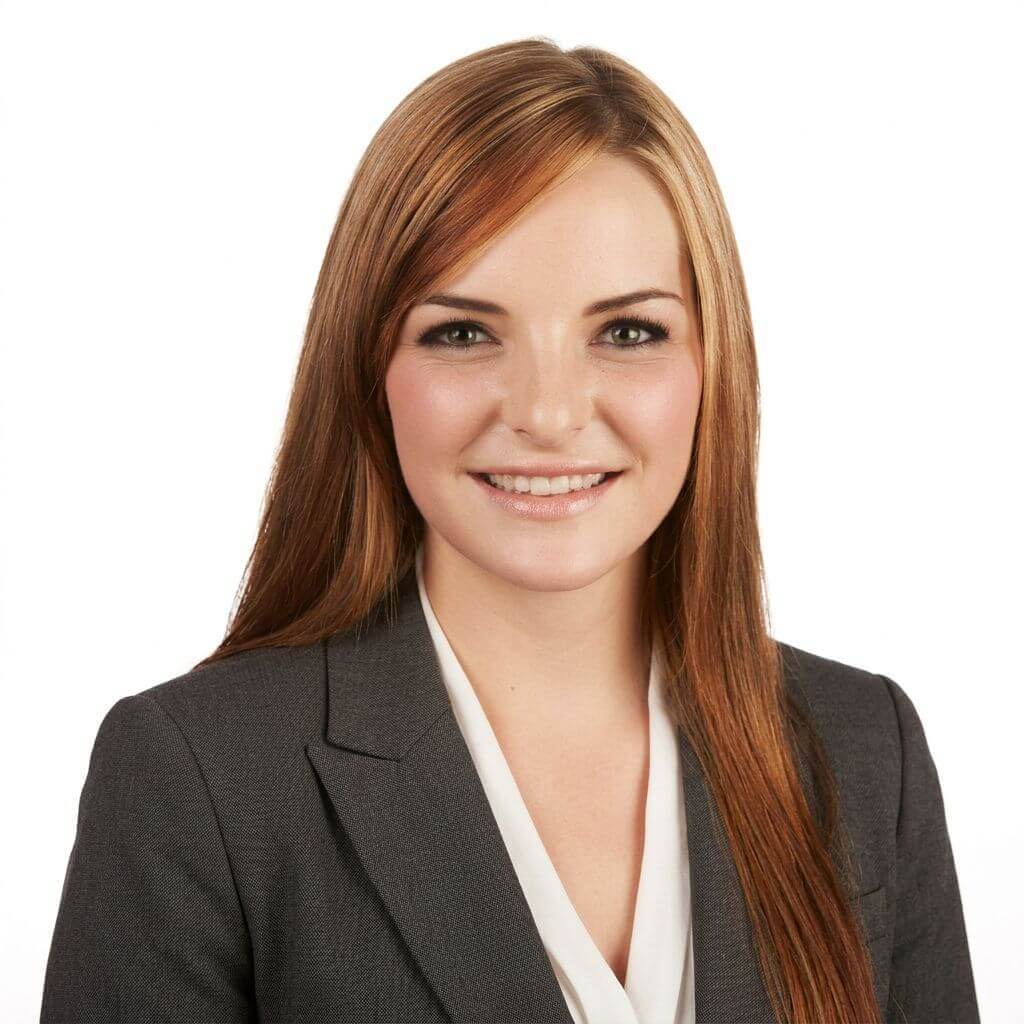
You've just updated your LinkedIn profile, but the photo you have is from a friend's wedding—too casual, wrong lighting. You need a professional headshot, but booking a photographer feels expensive and time-consuming. That's where creating a realistic portrait from your own selfies comes in. Magic-Headshot uses AI to transform everyday photos into polished headshots that look like you, but better. In this guide, we'll walk through the steps to create a realistic portrait that fits your work persona, whether for LinkedIn, resume, or business website. You'll learn what makes a portrait look authentic and how to get the best results from your uploads.
Direct answer
The short answer
Learn how to create a realistic portrait for your professional profiles. Use your own selfies to generate a polished headshot with Magic-Headshot's AI.
- Topic
- blog
- Best for
- professionals updating their LinkedIn or resume
- Search intent
- informational - learn how to create a realistic headshot
- Format
- Practical guide with examples
Article quick reference
| Topic | What to know |
|---|---|
| What Makes a Portrait Look Realistic? | A realistic portrait captures your natural features without exaggeration or distortion. |
| Choosing the Right Selfies to Start | Your starting selfie determines the quality of your final portrait. Choose a photo taken in natural daylight, with your face evenly lit and no harsh shadows. |
| Preparing Your Image for Best Results | Before uploading, do a quick check: your selfie should be free of other people, pets, or objects. |
| Using Magic-Headshot to Generate Your Portrait | Once your selfie is ready, visit Magic-Headshot's upload page. Select the 'Professional Headshot' mode, which is optimized for generating realistic portraits. |
Use the detailed sections below for context, examples, and exceptions that may affect your situation.
Frequently asked questions
What is this guide about?
Learn how to create a realistic portrait for your professional profiles. Use your own selfies to generate a polished headshot with Magic-Headshot's AI.
What should I know about what makes a portrait look realistic??
A realistic portrait captures your natural features without exaggeration or distortion.
What should I know about choosing the right selfies to start?
Your starting selfie determines the quality of your final portrait. Choose a photo taken in natural daylight, with your face evenly lit and no harsh shadows.
What should I check before using this advice?
Requirements can vary by platform, employer, country, or use case. Review the specific instructions that apply to your final submission.
Who this guide is for
- Reader
- professionals updating their LinkedIn or resume
- Search intent
- informational - learn how to create a realistic headshot
Focus on authenticity rather than perfection, using selfies as a base
What Makes a Portrait Look Realistic?
A realistic portrait captures your natural features without exaggeration or distortion. The key elements are accurate skin texture—not overly smoothed—natural lighting that defines your face, and a genuine expression. Avoid heavy makeup or filters that mask your true appearance. AI-generated portraits can feel stiff if they lack subtle imperfections like a small mole or uneven smile. The best portraits balance clarity with a soft, human touch. Think of a photo taken by a skilled photographer: the focus is on your eyes, the lighting flatters your bone structure, and the background doesn't distract. When you create a realistic portrait using Magic-Headshot, you start with a good source image and let the AI enhance rather than replace your features.
Choosing the Right Selfies to Start
Your starting selfie determines the quality of your final portrait. Choose a photo taken in natural daylight, with your face evenly lit and no harsh shadows. Avoid selfies with strong backlighting or overhead lights that cast shadows under your eyes. Use a recent photo—within the last six months—to ensure your current hairstyle and facial hair are represented. The image should have a plain background if possible, but that's not mandatory since Magic-Headshot can replace backgrounds. Smile naturally or adopt a relaxed, confident expression. Avoid extreme angles; a straight-on or slightly turned pose works best. Upload a high-resolution image to give the AI enough detail to work with. If you have multiple options, pick the one where you feel 'you' show through clearest.
Preparing Your Image for Best Results
Before uploading, do a quick check: your selfie should be free of other people, pets, or objects. Crop tightly around your head and shoulders to help the AI focus on you. If the image is blurry, take a new one—the AI can't fix blur completely. Pay attention to your outfit: solid, neutral colors work best, and avoid busy patterns or logos. If you're wearing glasses, ensure they don't have glare; some styles may be fine, but it's safer to remove them if possible. Lastly, think about the background you want. Magic-Headshot offers options like solid colors or professional settings, so you can match your industry's expectations. Prepare your image by saving it as a JPG or PNG with good resolution. This preparation saves time and yields a more natural result.
Using Magic-Headshot to Generate Your Portrait
Once your selfie is ready, visit Magic-Headshot's upload page. Select the 'Professional Headshot' mode, which is optimized for generating realistic portraits. Upload your image, and the AI will analyze your facial features, lighting, and expression. Within seconds, you'll see several variations. Choose the one that looks most like you—resemblance is key for realism. You can then adjust settings like background color or style (e.g., corporate, creative). The tool also allows you to tweak brightness and contrast subtly. Don't over-edit; the goal is a portrait that feels authentic. If you're not satisfied, upload a different selfie and try again. The AI learns from each input, so consistency in your source images helps.
Adjusting Background and Style
Background can make or break realism. For a professional portrait, choose a solid color like dark blue, gray, or white. Avoid overly dark or saturated hues that pull attention from your face. Magic-Headshot provides a library of backgrounds: office, library, or outdoor blur. Pick one that matches your field—tech workers might prefer clean white, while creative roles can use a subtle gradient. Style options include 'natural', 'polished', and 'classic'. 'Natural' preserves more skin texture and is best for realistic portraits. If you need headshots for different platforms, save each version with a distinct background. Remember: consistency matters for your personal brand. A realistic portrait with an appropriate background tells recruiters you're detail-oriented.
Final Touches: Cropping and Resizing for Each Platform
Different platforms have different image requirements. LinkedIn prefers a square crop with your head taking up 60% of the frame. Resumes often need a smaller, rectangular headshot at the top corner. Use Magic-Headshot's built-in cropping tools or download the full image and crop manually. Ensure your face is centered and not cut off at the chin. For business websites, a wider headshot that includes shoulders works well. Check file size: most platforms accept up to 8 MB, but smaller files load faster. Export your portrait as a JPG with 90% quality for a balance of clarity and speed. Save a master copy in PNG for future edits. Label each file with the platform (e.g., 'linkedin-headshot.jpg') to stay organized.
Why a Realistic Portrait Matters for Your Career
In a digital-first world, your profile photo is often the first impression you make. A realistic portrait builds trust because it shows you as you are—competent and approachable. Recruiters and clients look for authenticity; heavily edited photos can feel dishonest. A portrait that matches how you look in person sets accurate expectations. It also boosts your confidence because you know your online presence is genuine. Studies suggest that profiles with professional headshots receive more connection requests and interview invitations. By creating a realistic portrait with Magic-Headshot, you invest in your personal brand without the hassle of a studio session. It's a small step that can open doors.
Quality checks
Lighting
Ensure your selfie has even, natural lighting—no shadows or glare.
Resemblance
Compare the AI portrait to a recent photo of yourself; it should look like you.
Background appropriateness
The background should be professional and not distract from your face.
Avoid
- Using heavily filtered or edited selfies as source
- Wearing busy patterns or logos
- Choosing overly retouched styles that mask skin texture
- Uploading group photos or images with other people
- Using extreme angles or expressions
Use This Guide to Finish Your Photo
Choose the next step based on what this article covers: edit the photo with a focused tool, generate a professional headshot, compare samples, or check pricing.
Edit this photo with a tool
Open remove background from a photo when this guide points to a crop, background, file size, PNG, or print-layout task.
Generate a professional headshot
Use this page when the guide points toward a stronger LinkedIn profile photo.
Compare before-and-after samples
Review before-and-after examples before choosing a profile photo direction.
Check credit pricing
Compare one-time credit packs when the guide leads to final AI headshot generation.