
Online Image Crop: How to Crop Photos for Headshots and Profile Pictures
Need to crop a photo online for your resume? Learn headshot crop ratios and simple steps for a clean, professional result.
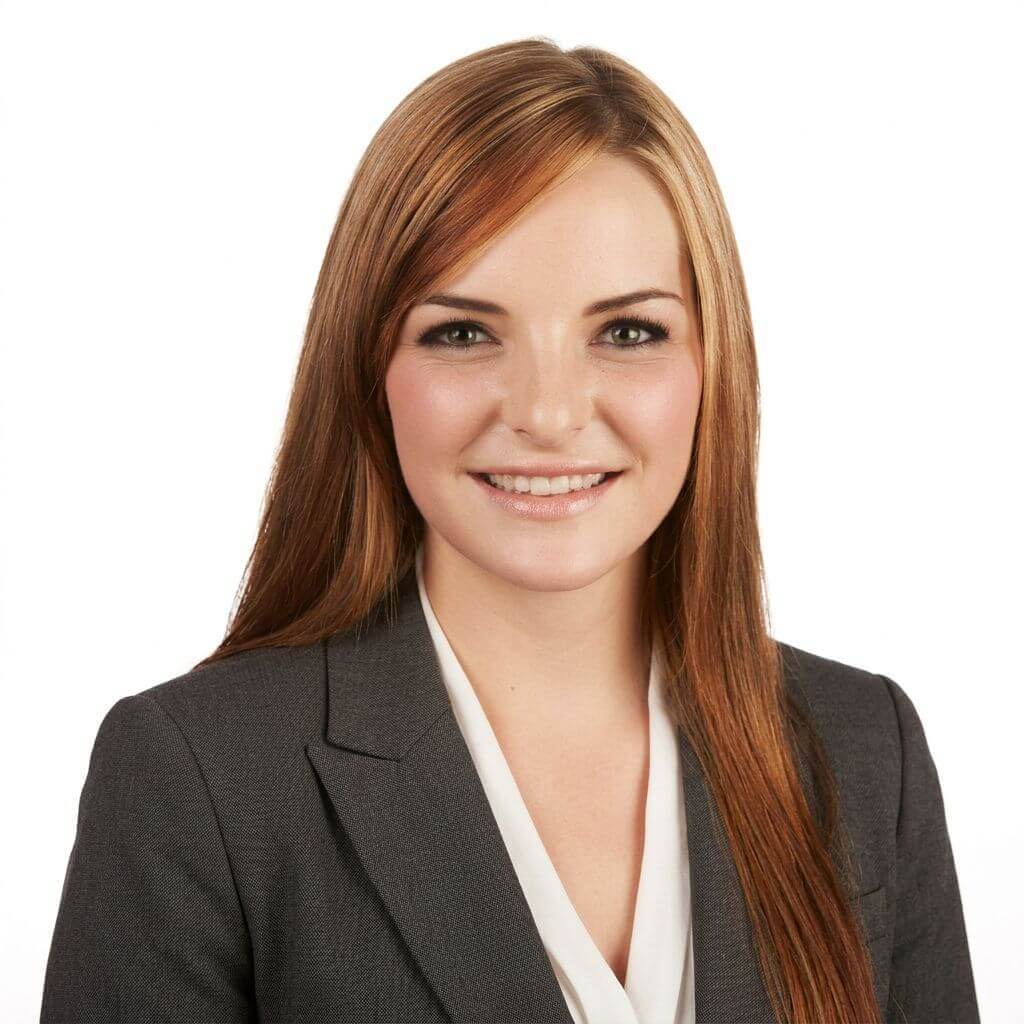
You have a new suit, a decent phone camera, and a selfie that almost works. But the photo needs a clean crop before it can go on your LinkedIn, your resume, or your company directory. Cropping an image online is the quickest way to turn a casual snapshot into a focused headshot. The trick is not just trimming the edges — it's choosing where the crop falls. A good crop frames your face, balances the background, and fits the exact dimensions each platform expects. In this guide, you'll learn how to crop photos online with purpose, which ratios to use where, and how to avoid the small mistakes that make a profile photo look amateur.
Direct answer
The short answer
Need to crop a photo online for your resume? Learn headshot crop ratios and simple steps for a clean, professional result.
- Topic
- Headshot Tips
- Best for
- Professionals, job seekers, freelancers, and anyone preparing a profile photo for LinkedIn, resume, or business use.
- Search intent
- Find a practical, reliable way to crop photos online for professional headshots and profile pictures.
- Format
- Practical guide with examples
Article quick reference
| Topic | What to know |
|---|---|
| Why Online Cropping Matters for Professional Photos | Cropping is the first step that separates a casual selfie from a polished headshot. |
| Which Crop Ratio Should You Use for LinkedIn, Resume, and ID Photos? | Different platforms have different expectations for photo dimensions. For LinkedIn, a 1:1 ratio works best because it matches the circular display and keeps your face centered without forced zooming. |
| How to Crop a Selfie into a Headshot: Step-by-Step | Open the image you want to work with and make sure it's the original, highest-resolution version. |
| Common Cropping Mistakes and How to Avoid Them | One of the most common mistakes is cutting off the top of the head. Even a small slice of missing hair can make a photo feel unprofessional. |
Use the detailed sections below for context, examples, and exceptions that may affect your situation.
Frequently asked questions
What is this guide about?
Need to crop a photo online for your resume? Learn headshot crop ratios and simple steps for a clean, professional result.
What should I know about why online cropping matters for professional photos?
Cropping is the first step that separates a casual selfie from a polished headshot.
What should I know about which crop ratio should you use for linkedin, resume, and id photos??
Different platforms have different expectations for photo dimensions. For LinkedIn, a 1:1 ratio works best because it matches the circular display and keeps your face centered without forced zooming.
What should I check before using this advice?
Requirements can vary by platform, employer, country, or use case. Review the specific instructions that apply to your final submission.
Who this guide is for
- Reader
- Professionals, job seekers, freelancers, and anyone preparing a profile photo for LinkedIn, resume, or business use.
- Search intent
- Find a practical, reliable way to crop photos online for professional headshots and profile pictures.
Treating the crop as a composition decision rather than a simple trim, with platform-specific ratios and a final visual checklist.
Why Online Cropping Matters for Professional Photos
Cropping is the first step that separates a casual selfie from a polished headshot. When an image is too wide, the eye travels to the background instead of your face. When it's too tight, you look cramped. An online image crop lets you make these decisions quickly and safely, because you can always revert to the original file. Whether you're updating your LinkedIn profile or preparing a resume photo, the crop determines how much of you people see and how close they feel to you. A well-cropped portrait creates trust before a word is read. Good cropping also saves time: you don't need to retake a photo just because the original composition wasn't right. Instead, you can use a reliable crop tool to reframe the same image with intention.
Which Crop Ratio Should You Use for LinkedIn, Resume, and ID Photos?
Different platforms have different expectations for photo dimensions. For LinkedIn, a 1:1 ratio works best because it matches the circular display and keeps your face centered without forced zooming. For a resume photo, a 4:5 vertical ratio is a safe choice if you're attaching a file. For ID-style photos, local guidelines often require a specific square or rectangular ratio, but a standard 2:2 is common in many regions. The safest approach is to check the exact dimension requirement first. Then choose an online image crop tool that lets you enter a custom ratio. If you're not sure, start with 1:1 and crop with a little headroom above your hair. That gives you flexibility to adjust later without losing important parts of the image.
How to Crop a Selfie into a Headshot: Step-by-Step
Open the image you want to work with and make sure it's the original, highest-resolution version. Select a crop ratio that matches your final use, such as 1:1 for a profile photo. Move the frame so your face sits in the upper half, with your eyes just above the center line. Leave a small margin around your head, and keep your chin and forehead inside the frame. If the tool allows, zoom slightly to remove distracting background edges. Once the preview looks right, apply the crop and download the image. Many free tools, including Magic-Headshot's photo editing tools, let you do this directly in your browser without installing software. The key is to work with a large enough file so the cropped area still has good resolution for printed or high-res displays.
Common Cropping Mistakes and How to Avoid Them
One of the most common mistakes is cutting off the top of the head. Even a small slice of missing hair can make a photo feel unprofessional. Another issue is placing the eyes too low in the frame, which leaves too much empty space above the head. Some people crop too tightly around the cheeks, making the face look wider than it is. Others leave too much background, which reduces the impact of the subject. A helpful rule is to keep the face inside the middle two-thirds of the image. That way, the crop does not fight with the natural composition. If you notice that your headshot tool is not showing the full face, adjust the crop box manually before saving. Reviewing the final image at actual size also helps you spot any accidental edges.
Using Online Cropping with Other Quick Fixes
Cropping is rarely the only thing you need. Many profile photos also benefit from a background removal or a simple resize to meet file-size limits. When you use an online image crop tool, think of it as the first step in a short workflow. For example, you can crop your photo, then use a free background remover to replace a cluttered room with a solid corporate color. Or you can resize the photo for a print layout without losing clarity. Magic-Headshot's suite includes free tools for ID-style photos, background colors, resizing, and print layouts, so you don't need to jump between apps. For best results, crop first, then remove or adjust the background. That way the cropped area is exactly what you want, and you only spend time editing the visible part.
Final Checklist Before You Download Your Cropped Photo
Before you save your final image, run a quick mental checklist. First, confirm that your face is complete: forehead, eyes, chin all inside the frame. Second, make sure the crop ratio matches the destination platform or print size. Third, check the resolution. If the original file was small, cropping can make it even smaller. For a LinkedIn profile, 200 by 200 pixels is often enough, but for a resume you might want at least 300 by 300. Also look at the edges: no stray fingers, objects, or jagged lines from a too-tight crop. Finally, download the file and view it at full size. If it feels balanced and looks like you in a professional setting, you're ready to upload it.
Quality checks
Face fully visible
Forehead, eyes, and chin are not cut off at the crop boundaries.
Background clean
No accidental objects or bright spots near the edge of the cropped image.
Resolution sufficient
The cropped photo is at least 200x200 pixels for profile use, or higher for print.
Avoid
- Cutting off the top of the head's hair
- Centering the face too low with wasted space above
- Cropping too tightly around the cheeks
- Skipping the preview at full resolution
- Using a very low-resolution original for a print-style headshot
Use This Guide to Finish Your Photo
Choose the next step based on what this article covers: edit the photo with a focused tool, generate a professional headshot, compare samples, or check pricing.
Edit this photo with a tool
Open crop an id photo when this guide points to a crop, background, file size, PNG, or print-layout task.
Generate a professional headshot
Use this page when the guide points toward a stronger LinkedIn profile photo.
Compare before-and-after samples
Review before-and-after examples before choosing a profile photo direction.
Check credit pricing
Compare one-time credit packs when the guide leads to final AI headshot generation.