
Professional Headshots for Modeling: A Practical Guide for Aspiring Models
Professional headshots for modeling made simple: see how AI photo tools help you create fresh digitals and comp cards from home.
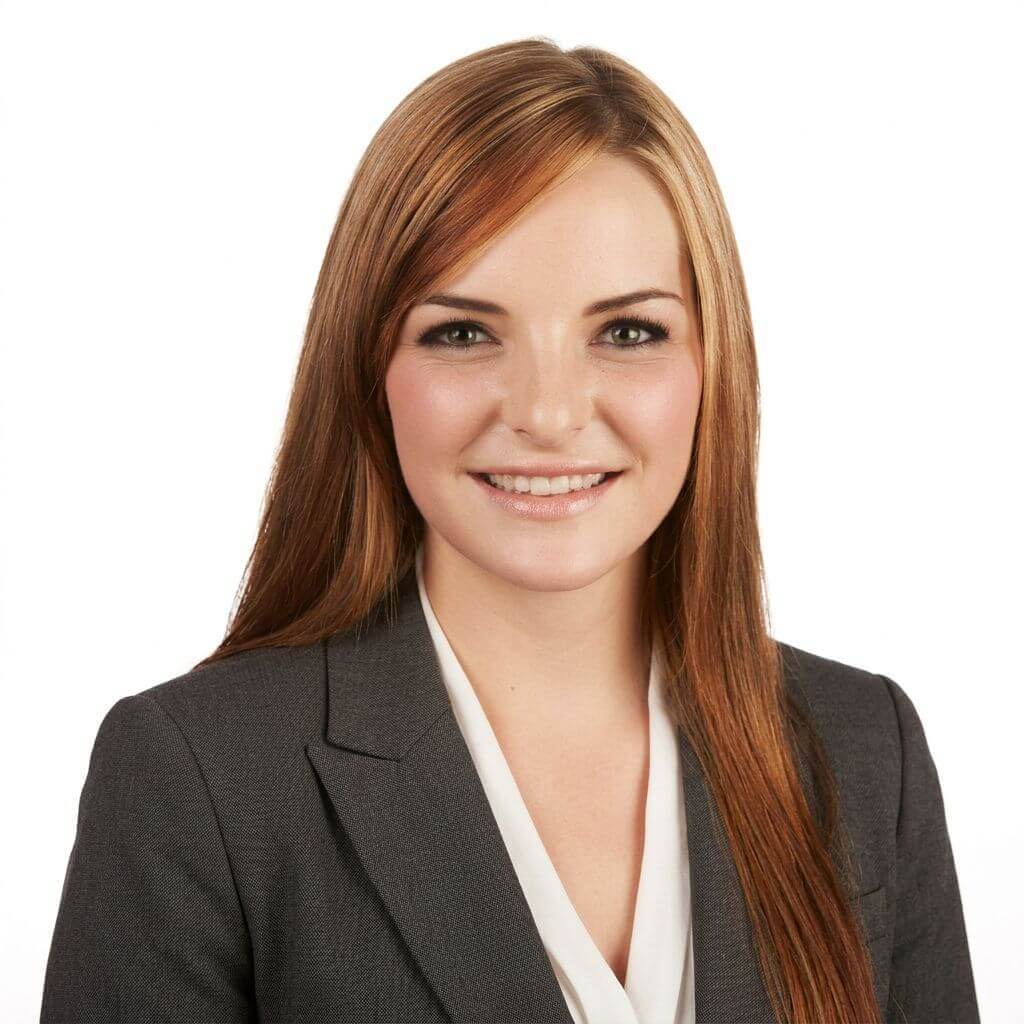
You have the look, the motivation, and maybe even a few Instagram selfies that turned out great. But when a modeling agency asks for 'professional headshots,' what do you actually send? The old answer was booking a studio, paying a photographer, and waiting a week for edited files. The new answer can be much faster. Magic-Headshot lets you upload everyday photos and get clean, professional headshots that suit the modeling industry's expectations. In this guide, we'll talk about how to prepare, what to wear, and how to turn a selfie into a digitals-ready image without losing your natural expression.
Direct answer
The short answer
Professional headshots for modeling made simple: see how AI photo tools help you create fresh digitals and comp cards from home.
- Topic
- Modeling
- Best for
- Aspiring models and freelancers who need professional headshots for agency submissions, comp cards, and online casting profiles without booking a studio shoot.
- Search intent
- Find a practical, affordable way to create professional headshots for modeling submissions and know what agencies expect in digitals and comp cards.
- Format
- Practical guide with examples
Article quick reference
| Topic | What to know |
|---|---|
| Why Model Headshots Are Different from Regular Portraits | Modeling headshots aren't supposed to look like a beauty campaign. They're supposed to show who you are underneath the hair, makeup, and angles. |
| What Agencies Look For in a Model's Digitals | Digitals are plain, unedited photos that show your current look from head to toe. |
| How to Prepare Before You Generate AI Headshots | The quality of your AI headshots depends on the photos you feed in. Start with a few selfies taken in natural light, ideally in the morning. |
| Choosing the Right Outfit, Expression, and Background | Agencies see hundreds of headshots every week, so the details matter. Stick to solid colors that flatter your skin tone. |
Use the detailed sections below for context, examples, and exceptions that may affect your situation.
Frequently asked questions
What is this guide about?
Professional headshots for modeling made simple: see how AI photo tools help you create fresh digitals and comp cards from home.
What should I know about why model headshots are different from regular portraits?
Modeling headshots aren't supposed to look like a beauty campaign. They're supposed to show who you are underneath the hair, makeup, and angles.
What should I know about what agencies look for in a model's digitals?
Digitals are plain, unedited photos that show your current look from head to toe.
What should I check before using this advice?
Requirements can vary by platform, employer, country, or use case. Review the specific instructions that apply to your final submission.
Who this guide is for
- Reader
- Aspiring models and freelancers who need professional headshots for agency submissions, comp cards, and online casting profiles without booking a studio shoot.
- Search intent
- Find a practical, affordable way to create professional headshots for modeling submissions and know what agencies expect in digitals and comp cards.
Combines real modeling-industry norms (digitals, comp cards, neutral backgrounds) with a modern AI workflow using Magic-Headshot's free photo tools, from selfie to final file.
Why Model Headshots Are Different from Regular Portraits
Modeling headshots aren't supposed to look like a beauty campaign. They're supposed to show who you are underneath the hair, makeup, and angles. Agencies use these photos to compare how models look in person with how they appear on screen. That means no heavy retouching, no squinting, no dramatic side lighting. The best headshots are simple, sharp, and honest. Soft, even light on your face is more important than the camera. If you're shooting at home, sit near a window with sheer curtains, or stand in front of a white wall. Keep the photo level with your eyes. You don't need a full studio to get a good result; you just need to avoid the things that hide your face.
What Agencies Look For in a Model's Digitals
Digitals are plain, unedited photos that show your current look from head to toe. Agencies often ask for three or four: a front-facing headshot, a side profile, and a full-length shot. The background should be a neutral grey or white, with no furniture, plants, or posters. Wear form-fitting clothes, skip heavy makeup, and keep your hair behind your shoulders for at least one shot. Your skin should look like your skin. This is exactly where AI headshot tools can help. After you upload a clear selfie, you can generate a set of professional headshots and then use a background removal tool to place yourself against an agency-approved grey or white backdrop. You don't need a photographer to produce a clean digitals folder.
How to Prepare Before You Generate AI Headshots
The quality of your AI headshots depends on the photos you feed in. Start with a few selfies taken in natural light, ideally in the morning. Look straight at the camera, with your chin parallel to the floor. Avoid selfies that are taken from below or at a weird angle. Make sure your face isn't hidden by hair, hands, or a wide-brimmed hat. Remove sunglasses and keep your eyes visible. If you wear glasses, take one photo with them on and one without. Choose a time when you're relaxed, not right after a workout or a heavy meal. The goal is to give the tool a clean, honest starting point. With a few good shots, you'll have more variety to choose from.
Choosing the Right Outfit, Expression, and Background
Agencies see hundreds of headshots every week, so the details matter. Stick to solid colors that flatter your skin tone. A white, navy, or soft grey top reads well against any backdrop. Avoid logo T-shirts, busy patterns, and anything that pulls attention away from your face. For expression, practice two or three options in the mirror: a neutral serious look, a relaxed smile, and a soft closed-mouth smile. Your eyes should feel awake and engaged. For the background, grey and white are the most flexible. With Magic-Headshot's background tool, you can swap the color later without retaking the photo. That means you can create one headshot and use it for multiple submissions by just changing the backdrop. Keep the final image simple and professional.
From Selfie to Professional Headshot: A Step-By-Step Workflow
Once your selfies are ready, the process is simple. Upload your best shot to Magic-Headshot and let the generator create a set of headshots. Review each one carefully, looking for images that keep your natural cheekbones and smile. Choose two or three favorites rather than just one. Then use the free photo tools to refine them. Crop the headshot to a standard square or 3:4 ratio, depending on the submission format. If the background has shadows or clutter, use the background removal tool to clean it up. You can also add a grey or white background with the color tool. For printed comp cards, use the resize tool to match the exact pixel dimensions. Finally, download your files and label them clearly, for example, 'name_headshot_grey.jpg'. This makes it easy to attach to an email or upload to an agency portal.
Using Your New Headshots on Comp Cards, Online Profiles, and Submissions
Your professional headshots can go beyond agency submissions. If you're building a portfolio, include one headshot and one full-length shot in your comp card. Keep the design clean and add your stats on the back. For online casting profiles, use the same headshot across platforms so agents can recognize you quickly. A consistent photo helps build trust. And if you're freelancing or networking, a model headshot can also work as a confident LinkedIn photo. Just make sure it's a recent picture. Agencies and clients want the real you, not a version that looks like someone else. Update your headshots every six months or whenever your hair or style changes significantly. With Magic-Headshot, you can generate fresh images without waiting for a studio appointment, which keeps your portfolio current.
Quality checks
Facial similarity
The AI headshot should look like your everyday self, with your natural bone structure and expression preserved.
Lighting and skin tone
Make sure the face is evenly lit and your skin tone looks realistic, not overly smoothed or color-shifted.
Background and format
The background should be distraction-free and neutral, and the photo should meet the size or ratio requested by the agency.
Avoid
- Do not use heavily filtered selfies or photos with Snapchat-style effects as source images.
- Avoid submitting a headshot with a busy background or props that pull attention away from your face.
- Don't crop the photo too tightly around your face unless the agency specifically requests a close-up.
- Never use a retouched version that changes your eye color, face shape, or skin texture.
Use This Guide to Finish Your Photo
Choose the next step based on what this article covers: edit the photo with a focused tool, generate a professional headshot, compare samples, or check pricing.
Edit this photo with a tool
Open remove background from a photo when this guide points to a crop, background, file size, PNG, or print-layout task.
Generate a professional headshot
Use this page when the guide points toward a stronger LinkedIn profile photo.
Compare before-and-after samples
Review before-and-after examples before choosing a profile photo direction.
Check credit pricing
Compare one-time credit packs when the guide leads to final AI headshot generation.