
Resume Photo Requirements: What Recruiters Actually Expect in 2026
Learn current resume photo requirements for US job applications. Understand size, background, expression, and how to take a compliant headshot at home.
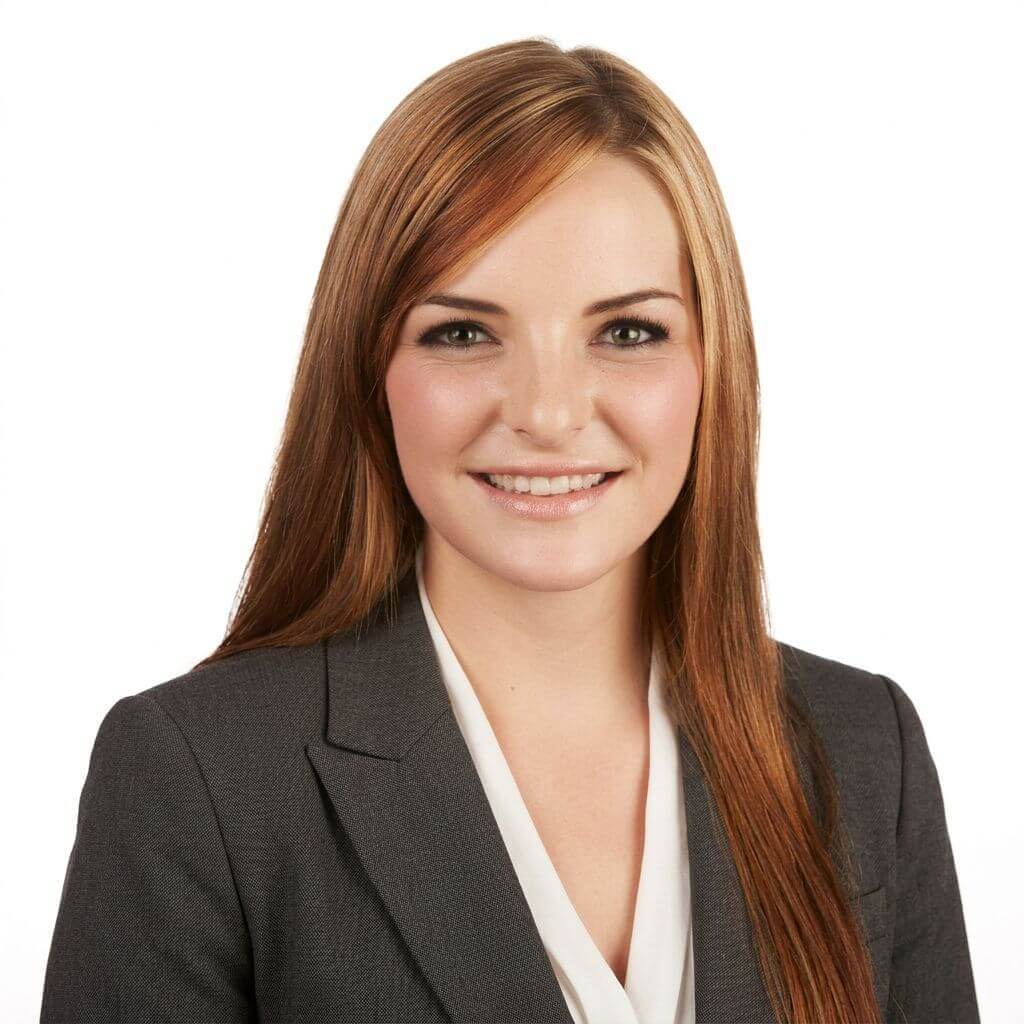
You've polished your resume, tailored your bullet points, and proofread every line. But when it comes to the photo—should you include one? And if yes, what are the actual requirements? In the US, resume photo rules vary by industry and company. Some recruiters prefer no photo to avoid bias; others expect a polished headshot for roles in hospitality, real estate, or media. This guide walks through current expectations, technical specs, and how to create a compliant photo using your phone and a tool like Magic-Headshot. No studio needed.
Who this guide is for
- Reader
- Job seekers in the US applying to industries where resume photos are accepted or expected
- Search intent
- Understand resume photo rules and create a compliant headshot
Focus on US-specific norms, practical DIY creation, and technical specs that match recruiter expectations
Do You Need a Photo on Your Resume?
In the United States, there is no official requirement to include a photo. Many large corporations and federal employers discourage photos to prevent unconscious bias. However, in fields like sales, customer-facing roles, entertainment, or when applying to smaller companies, a professional headshot can help you stand out. The key is to research the company culture. Check LinkedIn profiles of current employees: if they have headshots, a resume photo may be welcome. When in doubt, omit the photo—but always have a ready-to-use headshot for your LinkedIn profile and portfolio.
Standard Resume Photo Dimensions
If you decide to include a photo, size matters. Most resume templates place the photo in the top corner, about 1 to 1.5 inches square. The image file itself should be at least 300 DPI for print, but for digital submissions, a resolution of 400x400 pixels is sufficient. Use a square crop with your face centered. Avoid full-body shots or group photos. A head-and-shoulders framing is standard. Magic-Headshot's free crop tool lets you adjust to the exact pixel dimensions your template requires.
Background Color and Clothing Choices
The background should be plain and professional—white, light gray, or soft blue are safest. Avoid busy patterns, outdoor scenes, or bright colors that distract from your face. For clothing, solid colors work best. Avoid busy patterns, logos, or overly casual attire. A collared shirt or blouse in navy, gray, or white photographs well. Match the tone of the industry: creative fields allow more personality, while finance or law lean conservative. Magic-Headshot's background color tool lets you switch between approved colors instantly.
Facial Expression and Posture
A natural, approachable smile is ideal. You want to appear competent and friendly, not stern or overly casual. Face the camera directly, with your shoulders squared. Avoid tilting your head too much or using a selfie angle from below. Good lighting is crucial—soft, even light from the front prevents harsh shadows. If you're taking the photo at home, stand facing a window. Magic-Headshot's AI can adjust lighting to look studio-quality even if your original shot was less than perfect.
What to Avoid in a Resume Photo
Avoid selfies, cropped group photos, or images with filters. No sunglasses, hats (unless for religious reasons), or heavy makeup that alters your appearance. Avoid busy backgrounds like bookshelves or brick walls. Also, don't use an outdated photo—it should look like you now. Finally, never use a photo that is low resolution or pixelated. If your only option is a casual selfie, use Magic-Headshot to transform it into a professional headshot that meets all requirements.
Step-by-Step: Create a Compliant Resume Photo at Home
1. Take a well-lit selfie against a plain wall. 2. Upload it to Magic-Headshot. 3. Choose the 'Professional Headshot' style. 4. Adjust background color to white or gray. 5. Crop to a square, 400x400 pixels. 6. Download the high-res version. 7. Insert into your resume template. That's it. No photographer, no studio rental. You'll have a compliant, recruiter-friendly photo in minutes.
Quality checks
Size and Resolution
Ensure the photo is at least 400x400 pixels and 300 DPI for print.
Background and Attire
Background must be solid and neutral; clothing should be professional and logo-free.
Expression and Framing
Face centered, natural smile, head-and-shoulders framing, no filters.
Avoid
- Using selfies or cropped group photos
- Including filters or heavy editing
- Choosing busy or colorful backgrounds
- Wearing sunglasses, hats, or casual attire
- Using an outdated or low-resolution image
Use This Guide to Finish Your Photo
Choose the next step based on what this article covers: edit the photo with a focused tool, generate a professional headshot, compare samples, or check pricing.
Edit this photo with a tool
Open resize image dimensions when this guide points to a crop, background, file size, PNG, or print-layout task.
Generate a professional headshot
Use this page when the guide points toward a stronger LinkedIn profile photo.
Compare before-and-after samples
Review before-and-after examples before choosing a profile photo direction.
Check credit pricing
Compare one-time credit packs when the guide leads to final AI headshot generation.