
Resume Photo Size: The Complete Guide to Professional Headshot Dimensions
Learn the best resume photo size for LinkedIn, online applications, and printed CVs. Get practical tips to crop and resize your professional headshot correctly.
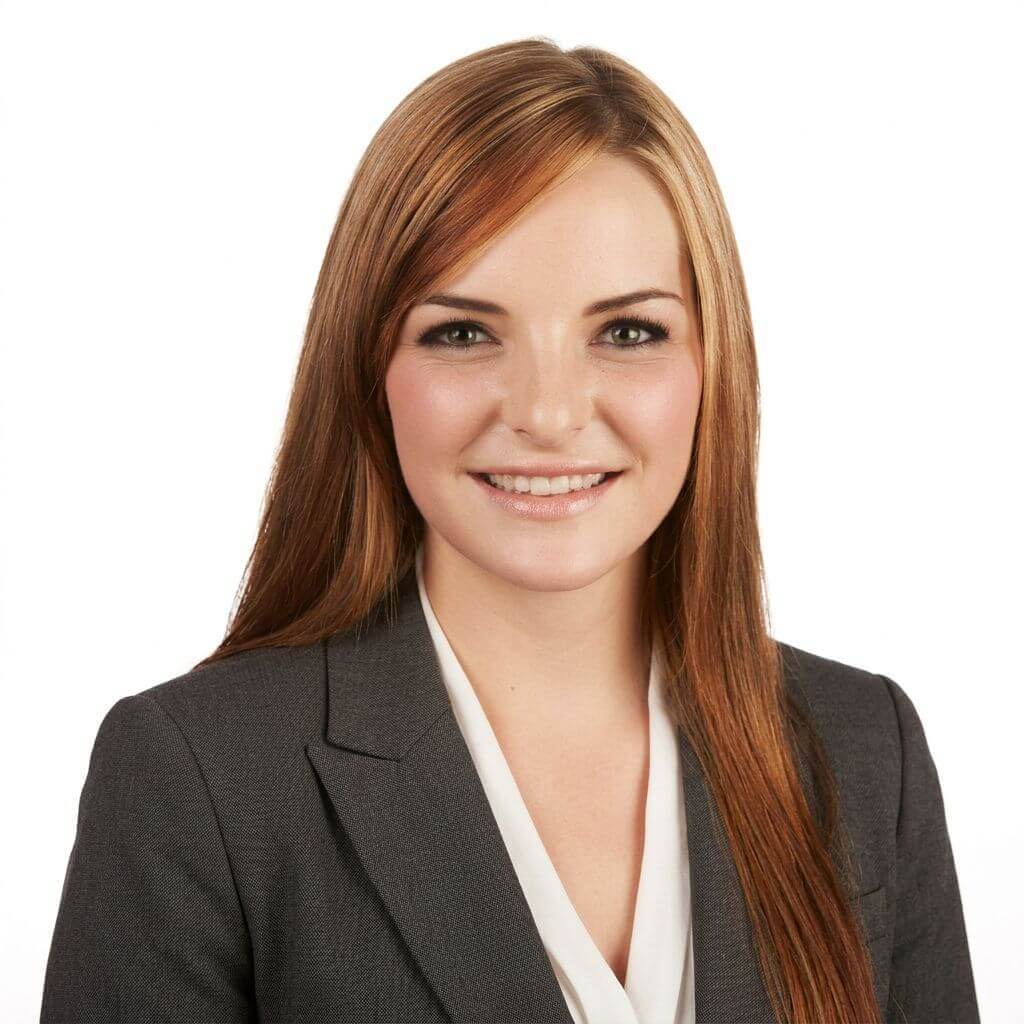
You've spent hours perfecting your resume—choosing the right font, tweaking bullet points, and tailoring it to the job description. Then comes the photo. Should you include one? And if so, what size should it be? Getting the resume photo size wrong can make your application look unprofessional or get rejected by automated systems. This guide covers standard dimensions for different platforms, how to resize without distorting your image, and when to skip the photo altogether. Whether you're applying for a corporate role, a creative position, or updating your LinkedIn profile, you'll leave with clear answers.
Who this guide is for
- Reader
- Job seekers and professionals updating their resume or LinkedIn profile
- Search intent
- Find the correct dimensions and best practices for including a photo on a resume
Focus on both printed and digital resume photo sizes, with practical resizing steps using free tools
Why Resume Photo Size Matters
In many countries, including a photo on your resume is optional or even discouraged to avoid bias. But when you do include one—especially for roles in hospitality, modeling, or customer-facing positions—the size and quality matter. A photo that's too large can push your text onto a second page. One that's too small may look like an afterthought. More importantly, many applicant tracking systems (ATS) scan resumes for formatting. If your image stretches the layout or exceeds file size limits, your resume might be rejected before a human sees it. The standard resume photo size is typically 2 x 2.5 inches (5 x 6 cm) for printed CVs, but digital applications vary. Knowing the right dimensions ensures your photo enhances, not hinders, your application.
Standard Resume Photo Sizes for Different Platforms
For printed resumes in the US, a 2 x 2.5 inch photo (passport size) is common. In Europe, many use 35 x 45 mm or 40 x 50 mm. For digital submissions, think in pixels: LinkedIn recommends 400 x 400 pixels minimum for profile photos, but your resume photo should be smaller—around 200 x 250 pixels is safe. If you're applying through an online portal, check the guidelines. Some ask for a separate headshot upload; others embed it in the resume. When in doubt, use a square crop of about 300 x 300 pixels. This works for most platforms and keeps your face centered. Always save at 72 DPI for web to keep file size under 500 KB.
How to Resize Your Photo Without Losing Quality
Resizing a photo isn't just about changing dimensions—you need to maintain resolution and avoid distortion. Start with a high-resolution image (at least 1200 x 1200 pixels). Use photo editing software or online tools to crop to a square or rectangle, then scale down. Keep the aspect ratio locked to prevent stretching. For a 2 x 2.5 inch print, the image should be 600 x 750 pixels at 300 DPI. For web use, 200 x 250 pixels at 72 DPI is sufficient. If your photo looks blurry after resizing, you started with too low a resolution. Magic-Headshot's free photo tools include a resize feature that lets you input exact dimensions and download in the correct format.
When to Skip the Photo on Your Resume
In the United States, Canada, the UK, and Australia, it's common practice to omit photos to prevent hiring bias. Many recruiters prefer not to see them. In Germany, France, and parts of Asia, photos are expected. Research the norms for your industry and location. If you're applying for a role where appearance isn't a factor, leaving out the photo can keep the focus on your skills. However, for LinkedIn or professional networking sites, a headshot is almost mandatory. In that case, use a separate photo that matches the platform's recommended size—typically 400 x 400 pixels—rather than embedding it in your resume PDF.
Using Magic-Headshot to Get the Perfect Resume Photo
If you don't have a professional headshot, Magic-Headshot can generate one from your selfies. The AI creates a high-quality image with proper lighting, neutral background, and professional attire. Once generated, you can use the free tools to crop and resize it to any specification. For a resume, select the 'Passport' or 'Custom' size option, enter your desired dimensions, and download. The tool also lets you change background colors to match your industry—white for corporate, light blue for creative fields. This ensures your photo looks intentional and polished, not like a casual snapshot.
Common Mistakes to Avoid with Resume Photos
Avoid using a full-body photo or a group shot cropped to show only your face. The background should be plain and uncluttered. Don't use a photo with sunglasses, hats (unless religious), or distracting accessories. Make sure your expression is professional—a slight smile works best. Also, check the file format: JPEG is standard, but some systems prefer PNG. Finally, never resize a photo by dragging the corners in a word processor—this distorts the aspect ratio. Use a dedicated tool for resizing. Quality checks: ensure the photo is recent (within 1-2 years), matches your current appearance, and is consistent with your LinkedIn profile if you have one.
Quality checks
Resolution Check
Ensure the final image is at least 300 DPI for print and 72 DPI for web, with no pixelation.
Aspect Ratio Check
Verify the width and height are proportional. Use a 4:5 ratio for print, 1:1 for square crops.
File Size Check
Keep the file under 500 KB for email submissions and under 2 MB for online portals.
Avoid
- Using a selfie or casual photo
- Including a photo with busy background or other people
- Resizing by dragging in Word or Google Docs
- Using an outdated photo (more than 2 years old)
- Saving in a non-standard format like BMP or TIFF
Use This Guide to Finish Your Photo
Choose the next step based on what this article covers: edit the photo with a focused tool, generate a professional headshot, compare samples, or check pricing.
Edit this photo with a tool
Open resize image dimensions when this guide points to a crop, background, file size, PNG, or print-layout task.
Generate a professional headshot
Use this page when the guide points toward a stronger LinkedIn profile photo.
Compare before-and-after samples
Review before-and-after examples before choosing a profile photo direction.
Check credit pricing
Compare one-time credit packs when the guide leads to final AI headshot generation.