
Best Selfies to Upload for Better AI Headshot Results
How to choose selfies that give a realistic AI headshot generator enough honest detail to create better portraits.
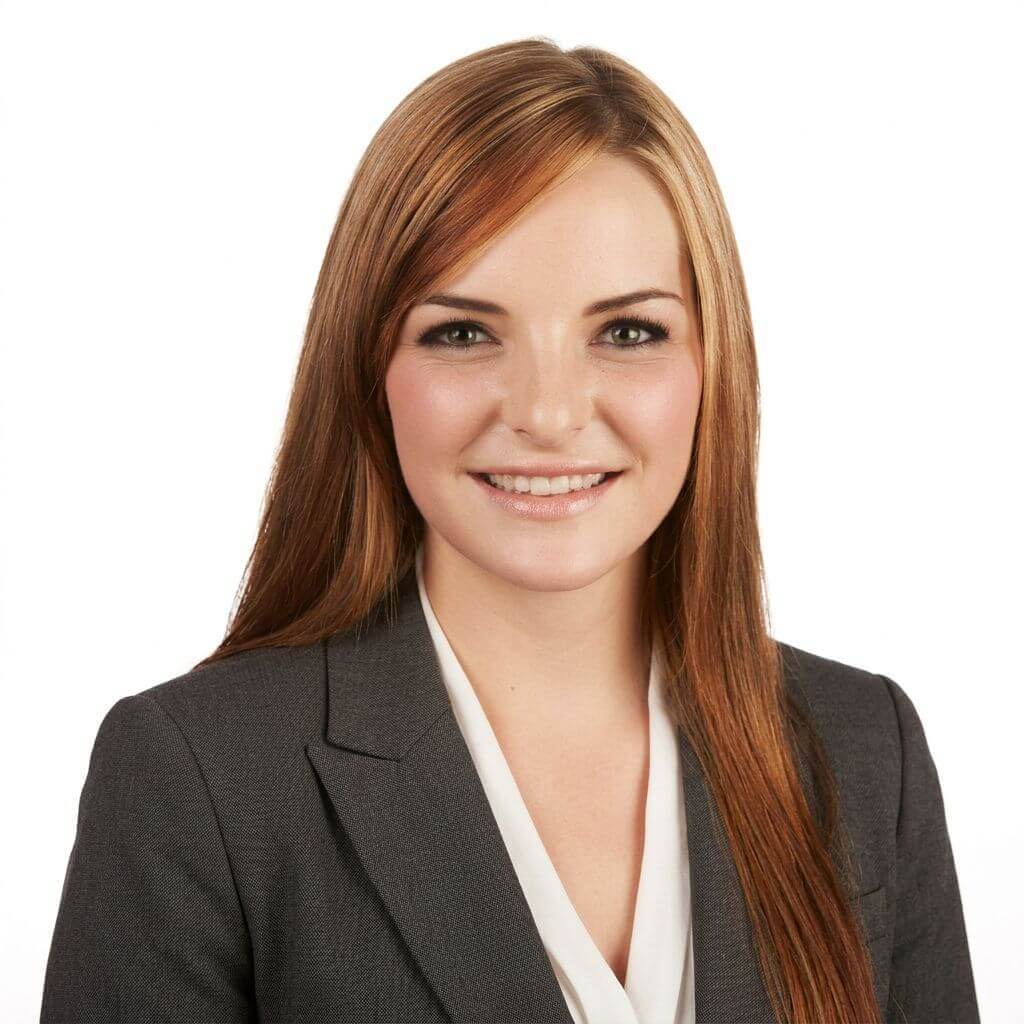
Choosing selfies can feel oddly personal. You start noticing every tired expression, every bad angle, every photo you almost like, usually when you only meant to spend five minutes on it after dinner. Try not to overthink it. The goal is not perfection; it is giving Magic-Headshot clear, recent material to work with.
Direct answer
The short answer
How to choose selfies that give a realistic AI headshot generator enough honest detail to create better portraits.
- Topic
- Best Selfies to Upload for Better AI Headshot Results
- Best for
- users preparing selfies before generating AI headshots
- Search intent
- The reader wants to know which input photos produce better AI portraits.
- Format
- Practical guide with examples
Article quick reference
| Topic | What to know |
|---|---|
| Good light is kinder than heavy editing | Natural window light or soft indoor light gives a realistic AI headshot generator useful face detail. Heavy filters and dark rooms hide the information the system needs, and the result can start to feel guessed. |
| Choose normal angles, even if they feel less exciting | Straightforward selfies with your face clearly visible usually work better than dramatic overhead shots or low angles. They may feel less interesting, but they give the final portrait a more believable foundation. |
| Use photos that still feel like today-you | High likeness AI portraits should reflect how you look now, not three hairstyles ago. Recent photos help the final image feel familiar, which is the whole point of a professional headshot people can trust. |
Use the detailed sections below for context, examples, and exceptions that may affect your situation.
Frequently asked questions
What is this guide about?
How to choose selfies that give a realistic AI headshot generator enough honest detail to create better portraits.
What should I know about good light is kinder than heavy editing?
Natural window light or soft indoor light gives a realistic AI headshot generator useful face detail. Heavy filters and dark rooms hide the information the system needs, and the result can start to feel guessed.
What should I know about choose normal angles, even if they feel less exciting?
Straightforward selfies with your face clearly visible usually work better than dramatic overhead shots or low angles. They may feel less interesting, but they give the final portrait a more believable foundation.
What should I check before using this advice?
Requirements can vary by platform, employer, country, or use case. Review the specific instructions that apply to your final submission.
Who this guide is for
- Reader
- users preparing selfies before generating AI headshots
- Search intent
- The reader wants to know which input photos produce better AI portraits.
The fastest way to improve AI output is to improve the honesty and clarity of the input selfies.
Good light is kinder than heavy editing
Natural window light or soft indoor light gives a realistic AI headshot generator useful face detail. Heavy filters and dark rooms hide the information the system needs, and the result can start to feel guessed.
Choose normal angles, even if they feel less exciting
Straightforward selfies with your face clearly visible usually work better than dramatic overhead shots or low angles. They may feel less interesting, but they give the final portrait a more believable foundation.
Use photos that still feel like today-you
High likeness AI portraits should reflect how you look now, not three hairstyles ago. Recent photos help the final image feel familiar, which is the whole point of a professional headshot people can trust.
Quality checks
Light
Soft window light or clear indoor light gives the model more real detail.
Angle
Straightforward face views usually beat dramatic selfie angles.
Recency
Current photos help preserve likeness.
Avoid
- Old photos from a different hairstyle or face shape.
- Dark photos where the model has to guess details.
- Filtered selfies that hide skin and eye detail.
Use This Guide to Finish Your Photo
Choose the next step based on what this article covers: edit the photo with a focused tool, generate a professional headshot, compare samples, or check pricing.
Edit this photo with a tool
Open remove background from a photo when this guide points to a crop, background, file size, PNG, or print-layout task.
Generate a professional headshot
Use this page when the guide leads to a more polished profile photo.
Compare before-and-after samples
Review before-and-after examples before choosing a profile photo direction.
Check credit pricing
Compare one-time credit packs when the guide leads to final AI headshot generation.