
What Size Photo in Resume? cm, Pixels, and Crop Guide
Find what size photo to use in a resume, compare cm and pixel dimensions, and prepare a professional crop for applications.
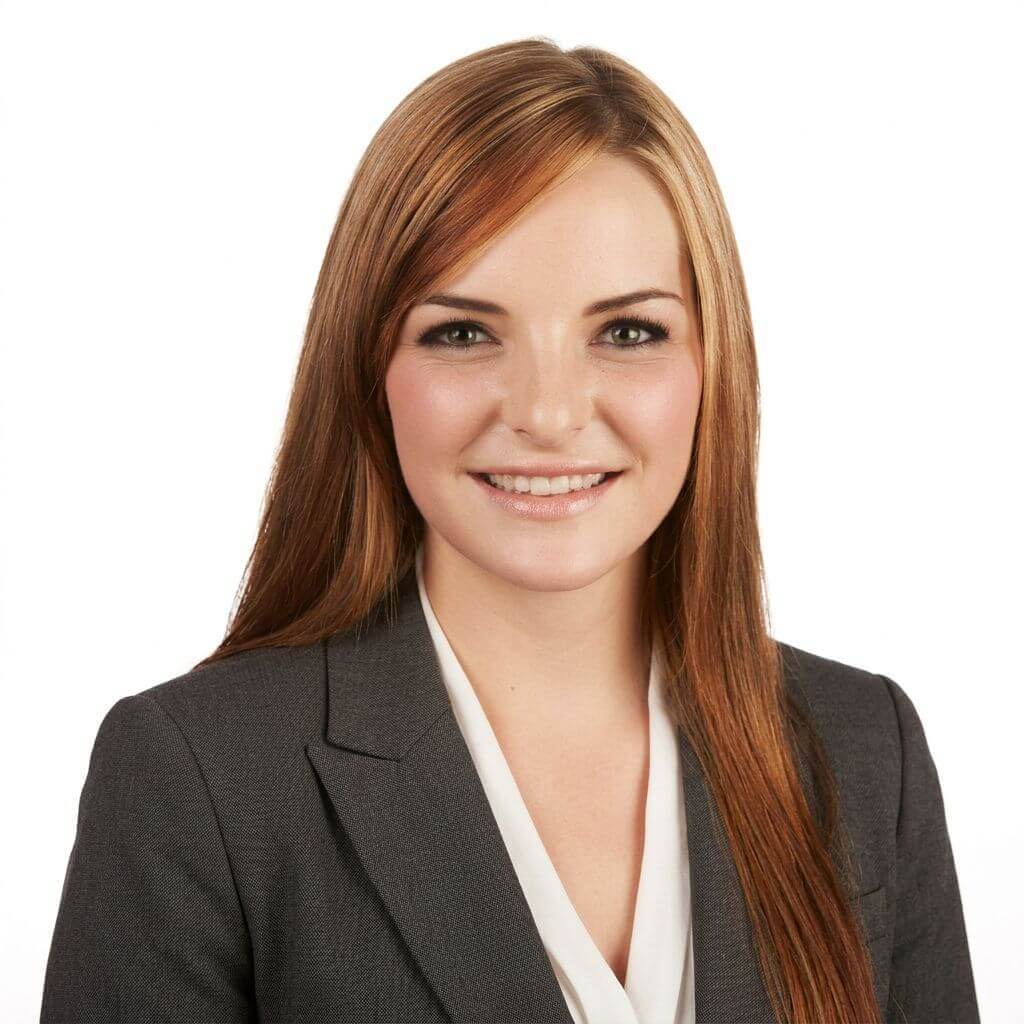
What size photo in a resume is the right one? In practice, the answer depends on the country, the template, and whether the resume is digital or printed. A safe default for many international applications is a compact portrait crop such as 3.5x4.5 cm or a square 400x400 px version for online use. This guide gives the quick answer first so you can move on with the rest of the application.
Who this guide is for
- Reader
- Job seekers deciding how to size a photo for a resume or CV.
- Search intent
- Find the exact photo size requirements for a resume and decide between digital and print formats.
Give the answer first, then separate digital and print sizing so users can choose fast.
Fast answer
For digital resumes, a square image around 400x400 px is easy to place and reuse. For printed CVs, 3.5x4.5 cm is the most common document-style format. If a country-specific template asks for a different size, follow that rule instead of forcing a universal crop.
Photo size comparison
| Format | Common size | Best for |
|---|---|---|
| Digital resume | 400x400 px | Online applications and profile blocks |
| Printed resume | 3.5x4.5 cm | Traditional CV layouts |
| Square profile crop | 4x4 cm | Clean profile reuse |
| Document sheet | 35x45 mm | Passport-style or formal use |
How to decide
If the resume lives online, keep the crop simple and square. If it is a PDF for printing or formal submission, use a document ratio that matches the local norm. The face should stay centered and recognizable, and the background should stay simple enough that it does not distract from the rest of the page.
Tools to use next
Open /free-id-photo-tool for a quick document crop, or /photo-tools if you also want to resize, change background, or prepare a print-ready layout before exporting the final resume photo.
FAQ
Can I reuse my LinkedIn headshot? Yes, if the crop still fits the resume. Is a square okay for every country? No, some countries still prefer a formal document-style portrait. Should I keep both versions? Yes, that is usually the safest choice.
Quality checks
Crop fits the template
The image should sit cleanly in the resume block.
Resolution is enough
The file should stay sharp when shared or printed.
Likeness is preserved
The image should still look like the same person.
Avoid
- Using a crop that dominates the page.
- Choosing a fuzzy selfie from an old phone.
- Forcing one size onto every resume format.
Use This Guide to Finish Your Photo
Choose the next step based on what this article covers: edit the photo with a focused tool, generate a professional headshot, compare samples, or check pricing.
Edit this photo with a tool
Open resize image dimensions when this guide points to a crop, background, file size, PNG, or print-layout task.
Generate a professional headshot
Use this page when the guide points toward a stronger LinkedIn profile photo.
Compare before-and-after samples
Review before-and-after examples before choosing a profile photo direction.
Check credit pricing
Compare one-time credit packs when the guide leads to final AI headshot generation.